


When was the last time we followed our senses?
To pause.
To feel.
To experience the world as it unfolds around us.
What began as the creation of musume, tefutefu’s signature incense, gradually became something more. It opened into a conversation about how we engage with our senses, and what it means to truly “feel” the world around us.
感覚に委ねる。
それは、いつからこんなに遠くなったのだろう。
tefutefuのシグニチャーインセンス「musume」が生まれる過程は、香りを通して、感覚との向き合い方をめぐる時間でもあった。
From Being Seen to Feeling
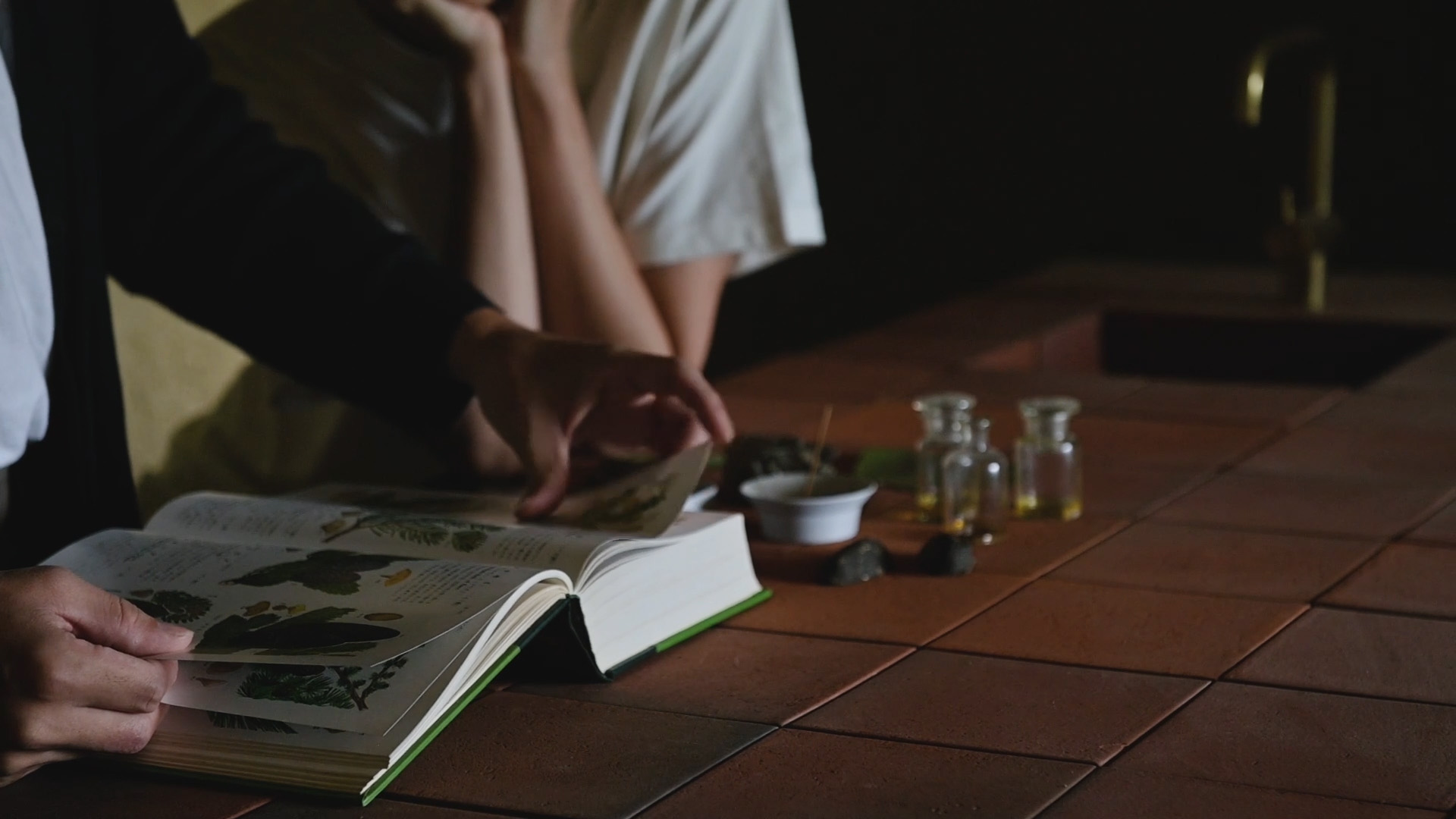
As a model, being seen is part of the job. Images are created, consumed, and judged in an instant. Over the years, Mori began to question how much of herself she had learned to wear.
“Fashion is such a visually driven world. For a long time, I was unconsciously wearing all kinds of things…not just clothes, but labels, titles, and expectations. The process of creating musume felt like I was undressing some of those layers.”
Fragrance offers a way of listening inward. Izumi, too, found a way to unravel himself through scent. At nineteen, he left the highly competitive world of sports, where success is often measured in wins and losses, and entered the world of fragrance, where there is no single right answer.
“What you smell is shaped by your memories, your experiences, what you've lived through. The same scent can mean something entirely different to someone else. There are many answers, and none of them are wrong.”
In that ambiguity lies the power of fragrance.
It invites us to trust our own senses and sensibilities.
To follow where they lead.
“Through scent, I gradually shifted my attention from how I was being seen to how I actually felt,” Mori says.
それは、商品開発というより、ひとつの対話から始まった。
モデルとして長く第一線で活躍してきた森が、友人でもある和泉に、ふと漏らした"見られる側"の悩み。そこから、香りを通して、まとってきたものを一枚ずつほどく時間が始まった。
森星: ファッションって、すごく視覚優位の世界。常に"見られる側"にいるなかで、無意識に、ブランドや肩書き、いろんなものをまとっていた時期があって。
森星: 「musume」が生まれるまでのあいだに、私自身、ものすごく変化があって。一回“脱げた”感覚があった。
和泉もまた、香りで自分を解いてきた人だ。勝ち負けのはっきりしたスポーツの世界から、19歳で飛び込んだのは、"正解のない"香りの世界だった。
和泉侃: 自分がどう感じるか。そこには、これまでの経験や記憶、悩んできた時間までもが反映されていく。だから同じ香りでも、感じ方は人それぞれ。答えがたくさんあって、正解がない。
「そうやって、自分の感覚や感性で、自分の背中を押せるようになった。」
森星: 「“見られる”ことから、自分を見る。見るというより、感じる。そういうことが、香りを通して少しずつできるようになっていった。」
香りは、いつの間にか閉じていた感覚を、静かにひらいていく。
When the Senses Connect

Partway through the project, Mori visited SCEN, the creative space of Olfactive Studio Ne. There, scent is not experienced in isolation. Color, taste, and fragrance play off one another, revealing how interconnected the senses are.
“I realized how much of our experiences are influenced by what we see. The same scent felt completely different under a different color,” Mori recalls.
A simple drink unexpectedly became a multisensory experience.
“The moment I tasted it, a sound just came out. One drink felt like a high note, another like a low note. Color, scent, taste, sound. Everything felt connected.”
Perhaps our senses were never meant to function separately.
We can see scent.
We can taste color.
We can hear flavor.
Perhaps they are always in conversation with one another.
As Mori’s senses began to open, the shift reached even the way she stood before the camera.
“Of course, I still deliver what is expected of me professionally. But I’ve learned to trust my senses more, to simply be.”
Izumi sees that as a form of confidence.
“You can't really let go when you're consumed by self-doubt. Trusting your senses means trusting yourself. It means having the confidence to simply be as you are.”
It was from this place that musume began to take shape.
プロジェクトの途中、森はOlfactive Studio Neの活動拠点〈SCEN〉を訪れた。
香りだけでなく、色や味、音が響き合う場所だった。
森星: この香りを、この色の下で嗅ぐと、こういう感覚になるんだ、って。私たちが普段、どれだけ視覚的に世界を受け取っているかを実感した。
そこで口にした一杯の飲み物が、忘れられない体験になったという。
森星: 飲んだ瞬間に、声が出ちゃって。これは"はぁー(高い声)"、こっちは"はぁー(低い声)"って。色、香り、味、音。全部がつながっていく感じだった。
「全感覚が研ぎ澄まされた時、飲むことってこんなに楽しいんだ。」
香りを“見る”。色を“味わう”。味が“音になる”。
本来、感覚はもっと曖昧に、互いを行き来しているのかもしれない。
ひらかれていく感覚は、カメラの前のあり方にも及んだ。
「感覚に委ねて、“being”でいられるようになった」
森星: もちろん、仕事で求められるものは返す。でもそれだけじゃなく、もっと自分の感覚に委ねて、“being”でいられるようになった。
和泉侃: 委ねられるのは、自分に不安があるとできないこと。感覚を信じられる、自然体でいられる自信がある、ということだと思う。
その先に立ち上がってきたのが「musume」だった。
The Meaning of musume

The name musume came from a word Mori met while reading about Japonisme.
In late nineteenth-century Europe, the word mousmé was used to describe young Japanese women, appearing in works such as Pierre Loti's Madame Chrysanthème and Vincent van Gogh's painting La Mousmé. The word reflected both a fascination and a projection of Western ideas about Japanese femininity, often portraying Eastern women as passive, doll-like figures.
Mori saw the opportunity for reinterpretation.
“I wanted to reframe what musume could mean today. Not as a doll-like figure or an idealized image, but as someone who brings sensitivity, intention, and grace to the way they live.”
musume, Japanese for “daughter” or “young woman,” is not a reference to a particular girl, nor to an idealized image of womanhood.
It speaks to a state of being.
One that exists somewhere in between.
Between innocence and maturity.
Between an openness to wonder and the depth that comes with experience.
There is lightness, but also a certain gravity.
A softness that holds quiet strength.
That, for Izumi, is where its beauty lies.
“There's beauty in not having settled on a single way of being. It means remaining open to change, with the flexibility to keep becoming.”
To stay open. To stay curious. To let ourselves be.
musume lives in that space.
「musume」という名前は、森が一冊のジャポニスムの本のなかで出会った言葉だった。
19世紀末のフランス。ピエール・ロティの小説『お菊さん』(1887年)や、それに着想を得たファン・ゴッホの絵画《La Mousmé》(1888年)を通じて、日本の若い娘を指す “mousmé” という言葉が広まっていった。そこには、異国への審美的な憧れと同時に、東洋の女性を受け身な、人形のような存在として見る、当時の西洋の視線も含まれていた。けれど森は、その言葉に別の可能性を見た。
森星: 「musume」って言葉が、すごくピンときて。いまの時代に、その意味を捉え直してみたい、と思った。ただのドールではなく、自分の生き方や嗜みに美意識を持っていて、細やかな気配りや豊かな感性、精神性を秘めた存在として。
「musume」とは、成長へ向かう途中にある存在。
幼さと成熟、そのどちらにも定まりきらない“あいだ”にいる。
和泉は、そこに美しさを見ていた。
「生き方を、まだ一つに決めていない。それが、むしろ美しい。自分を決めつけず、変わり続けられる柔軟性があるってことだから。」
「musume」という言葉には、そんな“はざま”を受け入れる響きがある。
和泉侃: 「musume」は「大丈夫だよ」って語りかけてくれるような香り。一回委ねてみたら?って問いかけてくれるような。
和泉侃: 「musume」って言葉には、その人自身を投影できる余白がある。一人の女性としての娘。母と子の関係。自分が子どもだった頃を思い出すのか、誰かを重ねるのか、自分を見るのか。その時々で、変わっていく。
人はみな、それぞれの人生のグラデーションを生きている。
変わり続けられるとは、ひらかれている、ということ。
The Reawakening of the Senses
The conversation eventually turned to a theme that has long guided Izumi’s work: the reawakening of the senses, and why it matters now.
“Japan really values harmony,” Izumi says. “Humans are not at the center. We are part of something larger. It's about living in coexistence with nature.
“This holds only when we can look beyond ourselves, imagine the world from another person’s perspective, and create a space where everyone can find their place. I think that kind of imagination is at the root of Japanese care and hospitality. It begins with that one step of imagining beyond yourself.”
Mori, too, has become more aware of this perceptiveness through working internationally.
“You try to read the air between you and another person, or sense what lies beyond what can be seen. This kind of sensitivity feels distinctly Japanese, and I’ve come to appreciate how special it is.”
For Izumi, fragrance can serve as a pathway back to that sensitivity.
“Of the five senses, smell is said to reach the brain most directly, activating the right hemisphere associated with intuition and imagination. That's why I hope fragrance can become a way of reawakening senses that have fallen dormant.”
To attune ourselves to nature, to other people, and to the atmosphere of a place. To live in harmony with what surrounds us. It begins with the senses, but extends far beyond. Fragrance has a way of gently awakening that sensitivity.
話は、和泉が長年テーマにしてきた「感覚の蘇生」へと向かう。
なぜいま、"感じる力"を呼び戻すことが大切なのか。
和泉侃: 日本って、すごく“調和”を大事にするじゃない?人間が中心ではなくて、自然のほうが大きい。自然と共存していくっていう考え方。
和泉侃: 自分のことだけじゃなく、相手の立場にも立って、お互いが心地よくいられて、はじめて成立する。その想像力が、日本人らしいやさしさやホスピタリティの根源なんじゃないかと思う。
「相手の立場に立って想像する。そのワンステップ。」
森もまた、海外で活動するなかで、その感覚を実感する瞬間があるという。
森星: 相手とのあいだにある空気を読もうとしたり、見えているものの奥の気配まで想像しようとしたり。そういう感覚って、日本ならではの繊細さだなと思う。
和泉侃: 嗅覚は、五感のなかでも、ほぼダイレクトに脳に届くため、右脳を活性化させると言われていて。だからこそ、香りを通して、眠っている感覚を研ぎ澄ますきっかけになれたらと思っている。
自然や人、その場の気配を読み、互いに調和しようとする。
目に見えないものに心を寄せる、こまやかな"感じる力"。
その力を、香りはそっと呼び覚ます。
What Remains
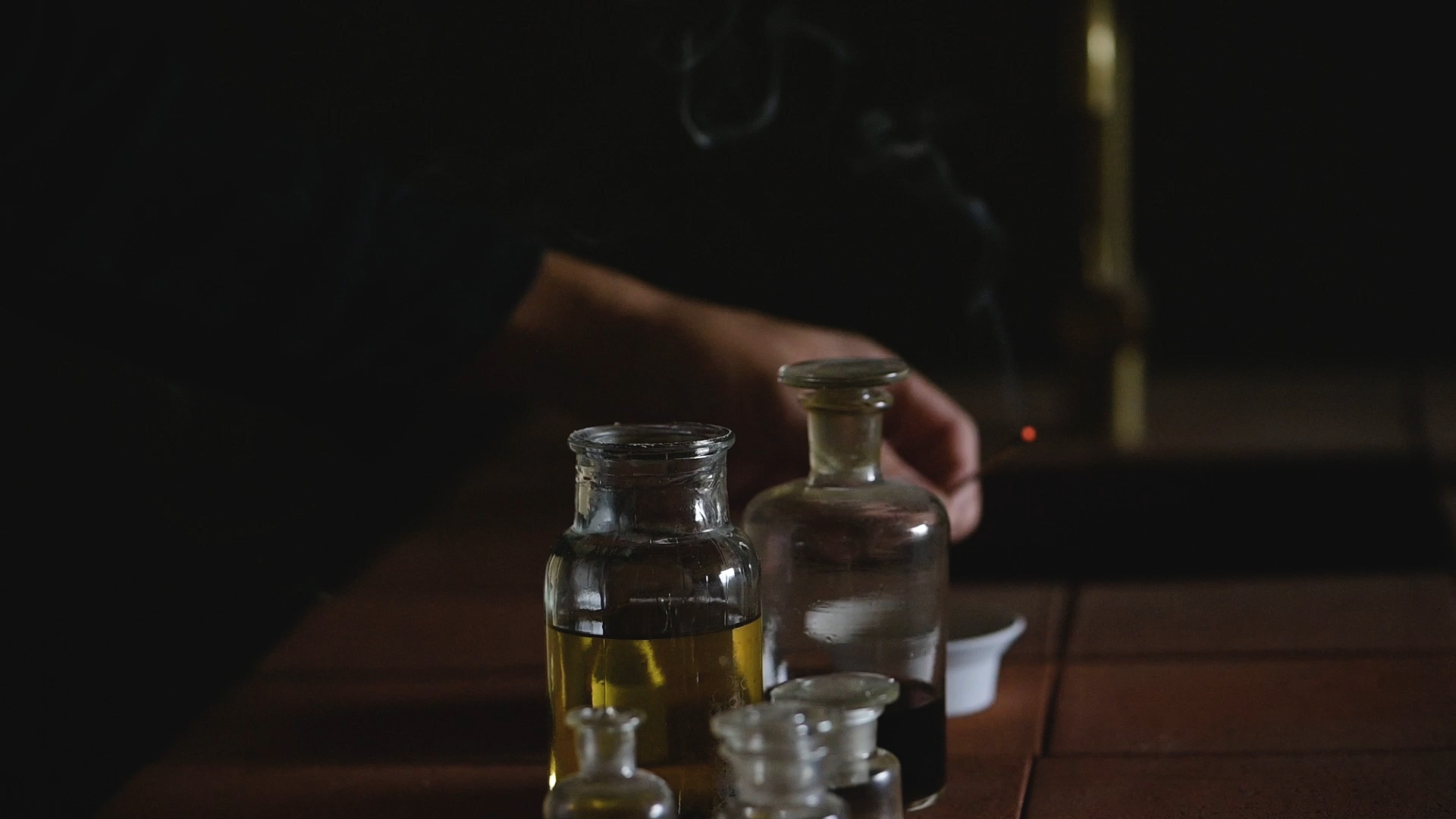
Places remember.
Not in any obvious way, but through the traces left behind by the people who have passed through them.
“I think every space holds something of the people who have spent time there,” says Izumi. “Who came, what they experienced, how they spent their time. Those traces accumulate and become part of the atmosphere of a place.”
Mori is reminded of fragrance.
“It reminds me of what perfumers call a lingering note, the trace that remains after a scent has faded. The old Japanese home I'm renovating also carries something of the people who lived there before me. Their lives, their memories, their presence linger in subtle ways.”
Whoever lights musume will spend those fifteen minutes somewhere.
The scent will eventually disappear.
Yet perhaps something stays.
A memory.
A feeling.
A heightened awareness.
Quietly, like a lingering note.
人が過ごした時間の“気配”は、その場所に残っていく。
和泉侃: どんな人が来て、どんな時間を過ごしたか。その濃度みたいなものが、空間の"気配"として蓄積されていくと思う。
森星: それって、香りでいう"残香"に近い気がして。私がリノベーションしている古民家にも、かつてそこに暮らし、バトンをつないできた人たちの余韻が残っている。
「musume」を手にした人が、それぞれの場所で、それぞれの15分を過ごす。
香りは、やがて消えていく。
けれど、過ごした時間や感覚は、静かに残る。
細く、長く。
お線香のように。
Kan Izumi
Artist / Director, Olfactive Studio Ne
Kan Izumi is an artist whose work centers on the reawakening of sensory awareness through fragrance. Through plant cultivation, distillation, and material research, Izumi draws inspiration from the natural world and translates sensory experiences into artistic expression. Alongside artistic practice, Izumi founded Olfactive Studio Ne, a creative studio dedicated to scent design. Working beyond the conventional boundaries of perfumery, the studio explores new possibilities for fragrance as a medium of expression.
和泉 侃
アーティスト / Olfactive Studio Ne ディレクター
香りを通して身体感覚を蘇生させることをテーマに活動するアーティスト。植物の生産・蒸留や原料の研究を行い、五感から吸収したインスピレーションのもとに創作活動に励む。作家活動と並行し、香りを設計するスタジオ「Olfactive Studio Ne」を発足。調香の領域にとらわれないディレクションで、チームと共に香りで表現される世界の可能性を広げている。
Online Store: https://shop.tefutefulab.com/products/musume
Instagram: https://www.instagram.com/tefutefulab/
Text: Lei Takase
Photo: Hikari Mori (Product), Hiro Yamashina (Landscape), Takahiro Iino(at SCEN)
Article Design: Mammy Horie


